The first warm spell is often when an overlooked air conditioning issue becomes obvious. Preparing a commercial system before demand rises gives building managers time to deal with problems without waiting for an uncomfortable office or a disrupted service area.
Review last season’s notes
Start with the issues people reported previously. Were certain rooms difficult to cool? Did any units display intermittent errors or produce unexpected noise? A short list of locations and symptoms makes a service visit more useful than a general request to “check the air conditioning”.
Look at the spaces around the units
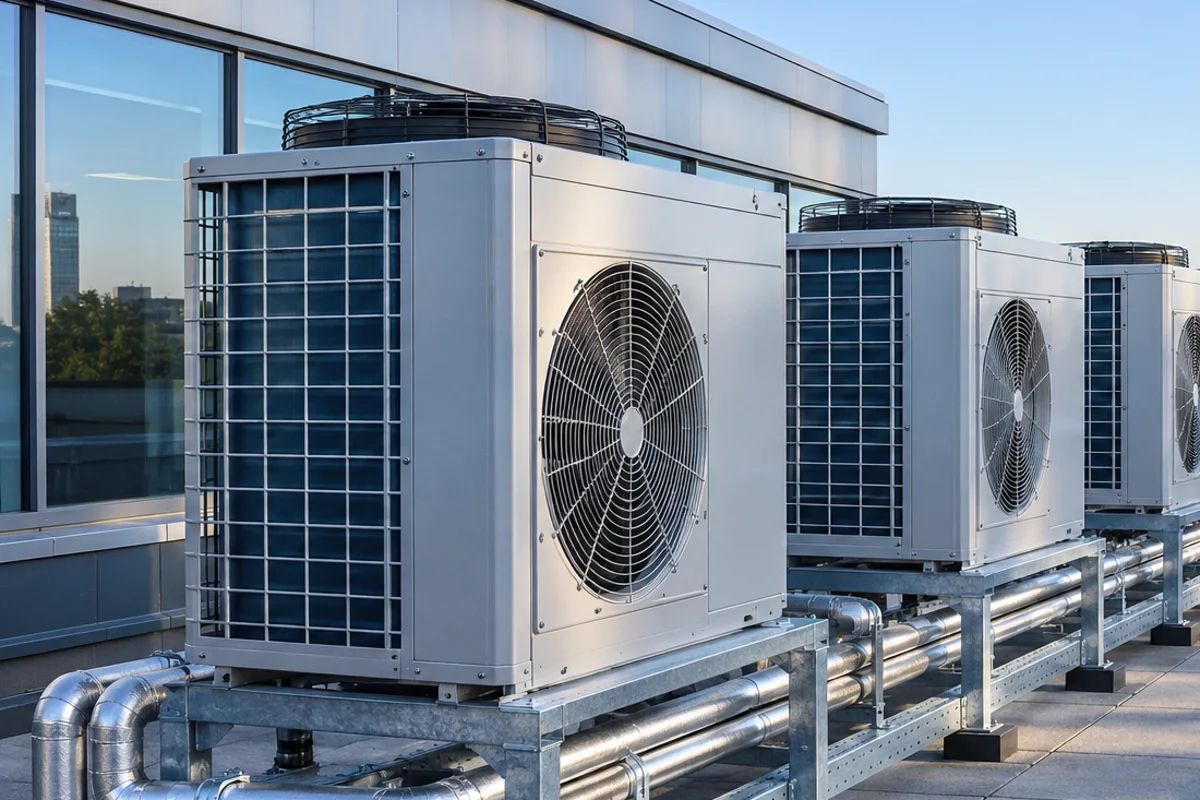
Air needs a clear path into and out of equipment. Check that furniture, displays or stored materials have not been placed in front of accessible indoor outlets. Outdoor equipment should also have the clearances specified for its installation. Do not climb onto roofs or remove guards to inspect plant.
Check controls and schedules
Changes in opening hours, occupancy or room use can make last year’s settings less suitable. Review which zones are scheduled to run and who can adjust them. If a system is behaving unexpectedly, record the controller setting and any error message before requesting support.
Arrange servicing before peak use
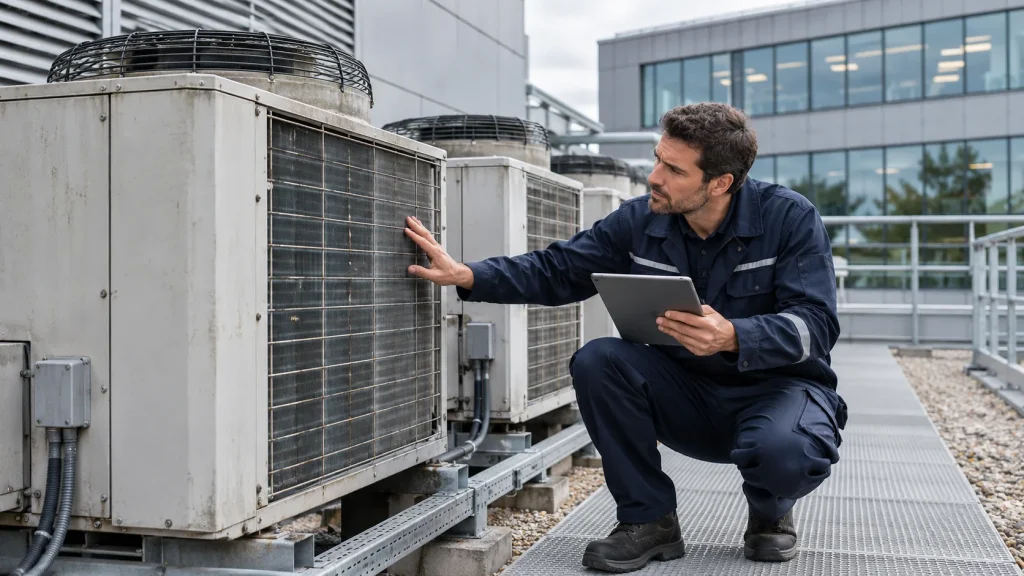
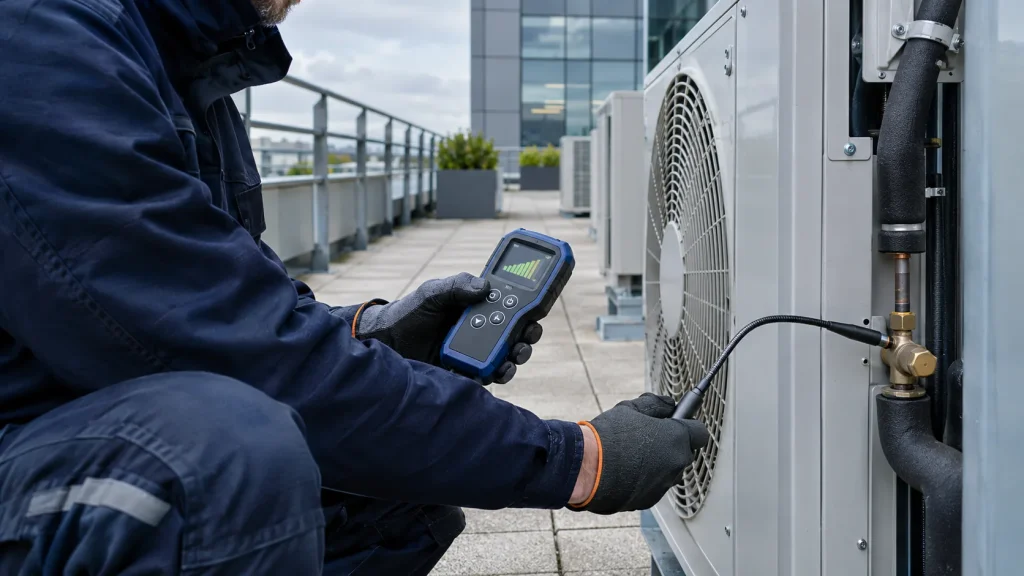
A planned visit can cover the checks appropriate to the specific equipment, including the condition of filters, coils, drains, controls and overall operation. The work and frequency should follow the manufacturer’s instructions and the conditions on site. It is easier to address a developing issue when access can be arranged calmly.
Keep a simple record
An asset list, service history and a note of recurring complaints help make future decisions clearer. They can also help identify whether one unit needs attention or whether a wider change to the space is affecting comfort.
If you are planning ahead for the warmer months, ask RR Cooling about a free quotation for servicing or maintenance at your site.
Back to all insights